


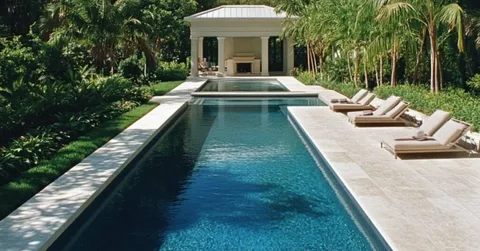

Choosing the best pool deck material is one of the most important decisions when designing or renovating your outdoor swimming area. The right material not only enhances the visual appeal of your pool but also ensures safety, durability, and long-term comfort. With so many options available, homeowners often struggle to decide which surface will best suit their lifestyle, climate, and budget.
A pool deck is constantly exposed to water, sunlight, and heavy foot traffic. Because of this, selecting the right material requires balancing aesthetics with performance. In this guide, we explore the most popular pool deck materials and their key benefits so you can make an informed choice.
Why Pool Deck Material Matters
The pool deck is more than just a surrounding surface—it defines the entire outdoor experience. A well-chosen material can improve:
- Safety by reducing slip risks
- Comfort under bare feet during hot weather
- Maintenance requirements over time
- Overall property value and curb appeal
Different materials perform differently under heat, moisture, and chemical exposure. That’s why understanding your options is essential before starting any installation.
Natural Stone Pool Decks
Natural stone is often considered a premium choice for luxury pool environments. Materials like limestone, marble, and travertine offer a timeless and elegant look.
Travertine is especially popular because it stays cool under the sun and provides natural slip resistance. Limestone also offers a clean, modern aesthetic while maintaining durability.
However, natural stone usually requires sealing and may come at a higher cost compared to other options.
Concrete Pool Decks
Concrete is one of the most commonly used materials for pool decks due to its affordability and versatility. It can be poured or installed as pavers and customized with textures, colors, and stamped designs.
Benefits of concrete include:
- Cost-effective installation
- High durability
- Design flexibility
- Easy maintenance
The main drawback is heat retention, as concrete can become hot in direct sunlight. However, lighter colors and textured finishes can help reduce this issue.
Brick Pool Decks
Brick is a classic choice that combines strength with traditional style. It is highly durable and naturally slip-resistant, making it a safe option for wet environments.
Brick pool decks also maintain their color well over time and can withstand harsh weather conditions. However, they may offer limited design variety compared to stone or concrete pavers.
Paver Pool Decks
Interlocking pavers are another popular choice for modern pool areas. They come in a wide range of colors, shapes, and patterns, allowing for highly customized designs.
Advantages include:
- Excellent drainage
- Easy repair and replacement
- Strong slip resistance
- Long-lasting performance
Pavers also provide a balance between affordability and luxury appearance, making them a preferred option for many homeowners.
Key Factors to Consider
When selecting the best pool deck material, consider the following:
- Climate and heat resistance
- Slip resistance for safety
- Maintenance requirements
- Budget and installation cost
- Long-term durability
Each factor plays a crucial role in ensuring your pool deck remains functional and attractive for years.
Final Thoughts
There is no single perfect solution when it comes to choosing the best pool deck material. The right choice depends on your design preferences, budget, and environmental conditions. Natural stone offers luxury, concrete provides affordability, brick ensures durability, and pavers deliver versatility.
For expert installation and high-quality outdoor living solutions, pup paver sinc delivers professional craftsmanship and reliable pool deck design services tailored to your needs.



Leave a Reply